By Meagan Olsen
My first glimpse of Peru was of an inky black ocean reflecting small pinpricks of light from ships bobbing in the Lima harbor. There was no division between sky, land, and sea. Bleary eyes blended everything together into one body of water beyond the plane window. As we progressed from the deserts of Lima to the mountains of Cusco, the importance of water in Peru became increasingly obvious. It appeared in the typical places, as rain, rivers, and mud. Its presence also lingered in places now dried up, in pre-Incan irrigation canals and fountains fed from springs that no longer exist. Millennia have passed since the earliest inhabitants of Peru came together and constructed Caral. Throughout all of the changes and evolutions the nation and its indigenous people have undergone, water has played consistent roles as both practical and cultural sources of life.
Travelers to Peru often spend the majority of their time exploring indigenous or Incan history. Almost every archaeological site exhibits some method of water use or control, ranging from small decorative channels to large reservoirs and lakes. It is therefore important to understand the complex relationship between Incan society and water, as well as how Peruvian relationships with water have developed in recent centuries.
In its purest sense, water is needed for life. It enables crops to be grown, animals to survive, and humans to exist. Due to its essential role, the Incan empire utilized it as a political tool. Intricate hydraulic systems were obtained from other indigenous groups or built across the empire to both showcase the power of the Inca and encourage conquered groups to comply with Incan rule.1 These systems provided irrigation to extend agricultural growing seasons and helped store water for use during the dry season.2,3 The transportation of water also helped to integrate ecological zones throughout the empire.4 Although water was strongly associated with political and agricultural projects, it played an equally important role in Incan religion and culture.
Many indigenous groups occupying what is now Peru consider Lake Titicaca to be the source of life. Incan mythology is no exception. Numerous legends cite the lake or nearby caves as the point from which the first Incans emerged. Over 30% of Incan sacred sites, known as huacas, were linked to rivers or springs.4,5 Water was also associated with fertility and blood, forces capable of imparting and sustaining life.4 Water-related ceremonies were woven into local calendars to ensure plentiful rains to bring the harvests.6 The cultural importance of water was such that fountains, baths, and other non-agricultural water features are found throughout the Incan empire, particularly in royal estates and temples.
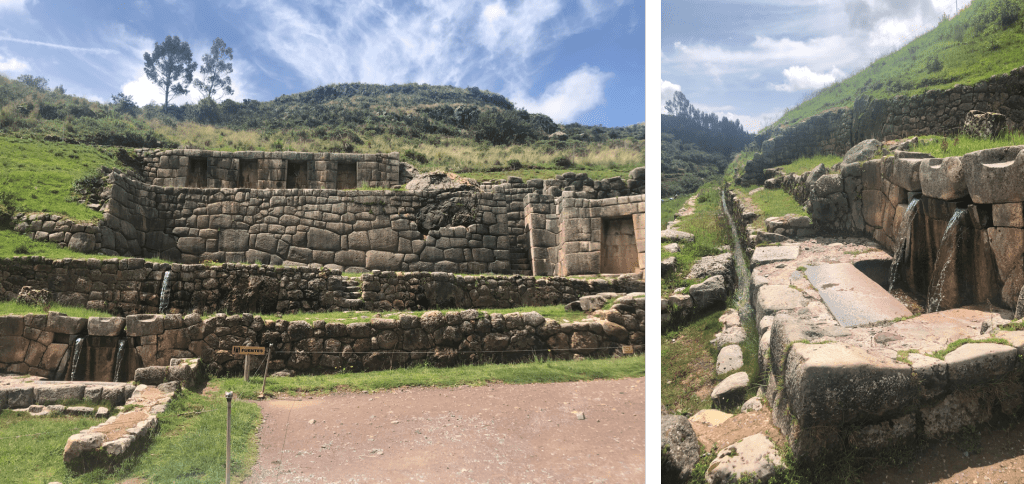
Tambomachay is a key example of an Incan water-related huaca that demonstrates both secular and religious functions. This site was built during the Late Horizon period and consists of channels fed by a year-round spring that lead to a series of fountains and pools before being routed to a canal.2 Although the original purpose of the site is unknown, common theories include royal baths, a resort for the Inca, or a military outpost.7,8 This small architectural site will be used as a framework for the discussion of a variety of elements related to Incan water usage throughout the remainder of this post.
Water-Related Engineering and Agricultural Uses
Daily life depends on water. This fact is as true today as it was during the Incan empire. It is easy to focus on the picturesque terraces, roads, and estates. They are each impressive in their own right. However, without water canals, many of these structures would not have been as successful during their use. Tawantinsuyu undertook massive hydraulic infrastructure projects to provide adequate water supplies to its people. Travelers should therefore be aware of the water transportation systems that acted as a lifeblood for the Incan empire.
Incan engineering played a key role in the establishment and success of their empire; complex hydraulic systems were only one of their numerous accomplishments. Site construction most likely began with quipus and clay models for the analysis of topography and planning of structure layout.5 Environmental alterations and stonework were accomplished via massive amounts of manual labor. The end result was a hydraulic system capable of transporting water for miles, irrigating terrace farms, and feeding religious fountains and baths. Water purification was even accomplished via intentional earth filtering at sites like Tambomachay and settling tanks at Inca-Caranqui.4
Channels & Canals
Pachacamac 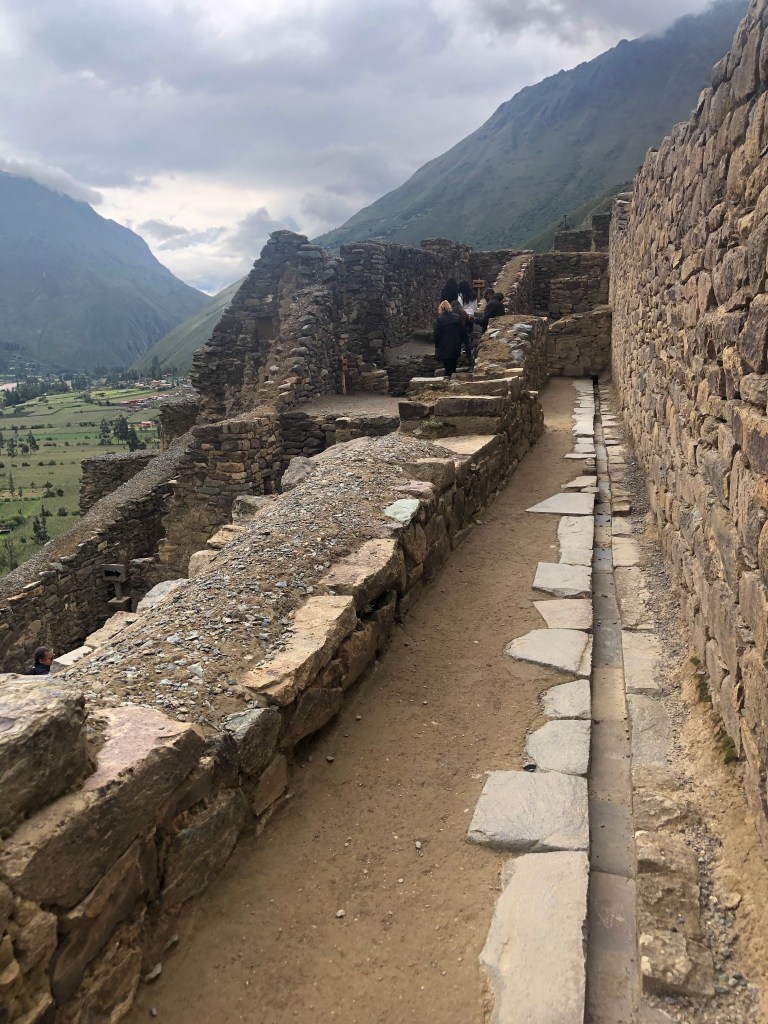
Ollantaytambo 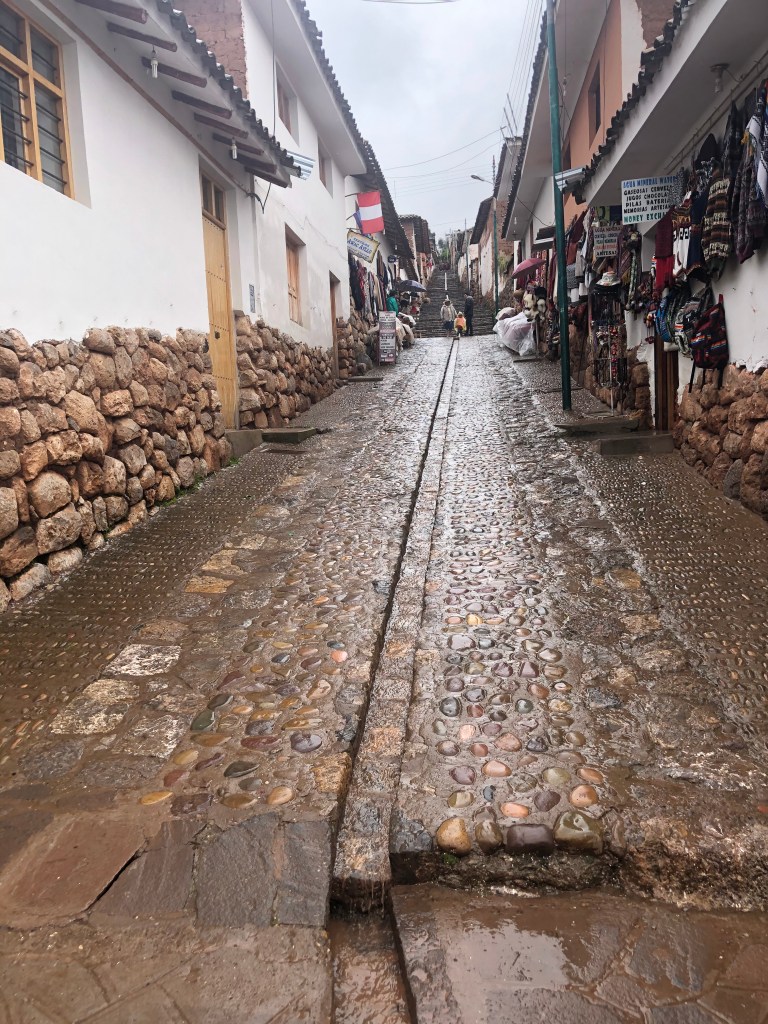
Chinchero
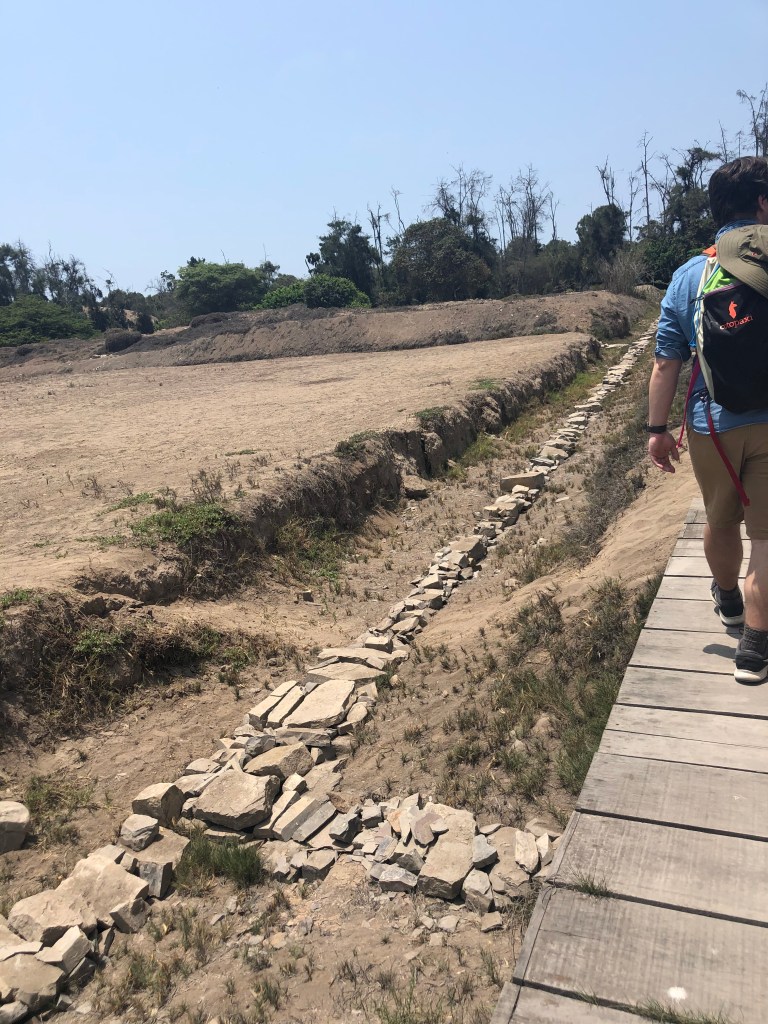
Although the Incans are typically praised for their engineering ingenuity, the irrigation techniques they used began with much older groups. The first Peruvian irrigation systems began on the coasts during the Early Horizon period.2 Irrigation was essential for the civilizations that arose in these desert environments. Communities were relatively fragmented, but they often joined together during festivals and celebrations to build large sites like Caral or Chavin de Huantar. This same process would have been used to build the canal systems that brought water from the mountains to multiple communities. Once built, canal maintenance remained largely local.1 Many of these early irrigation canals can still be seen at sites like Pachacamac.
The hydraulic engineering methods developed by pre-Incan groups were used by the Incans to provide water to terraces, estates, and towns. Although highland agriculture did not depend on irrigation, the control of water still helped to accelerate the agricultural cycle and produce more crops.2 Nearly all water canals and hydraulic systems built by other indigenous groups were maintained and repurposed by the Incans, who in turn built onto these existing systems. These canals varied in construction; final designs featured everything from earth-lined and stone-lined channels to subcritical and supercritical flows.5 The construction of this site-specific hydraulic architecture required large amounts of materials and manpower, but the resulting systems returned much of this energy to the communities over time via increased productivity and easier water access.9 Incan-era canals are present throughout most of their estates and fortresses, such as Ollantaytambo.
In addition to irrigation canals, water runoff systems were necessary to prevent flooding or destruction of large Incan compounds during the rainy season. These channels used the same general structure as the irrigation systems, with modifications to route water away from key locations. Chinchero still hosts many of these canals and at one point featured a complex drainage system with both open-air and underground channels.4
Water Storage
While the transportation of water was essential within the Incan empire, water storage also played a key role, particularly during the dry season. Man-made lakes and reservoirs were constructed at a variety of Incan sites, including Sacsaywaman and Quispiguanaca.4 These constructions once again demonstrated the power of the Inca and may have also been references to Lake Titicaca or other religious sites. Lakes and reservoirs most likely played religious roles in Incan society as well.
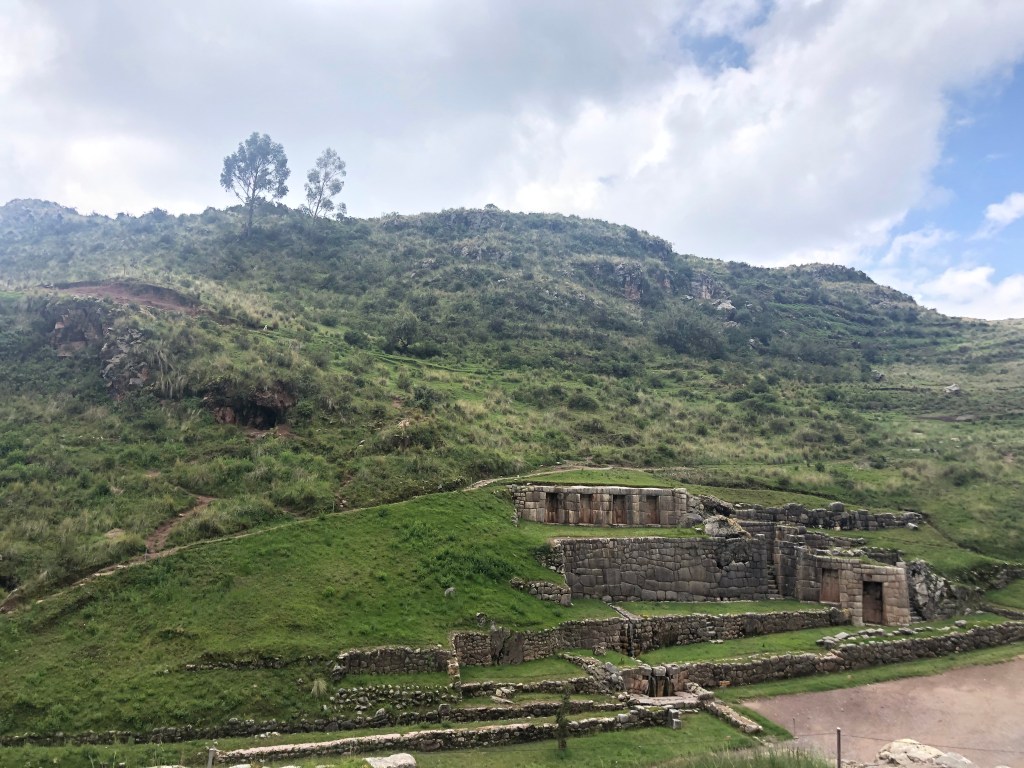
Another less common form of water storage involved geologic water storage. Tambomachay is representative of this type of water reserve that involves water being stored in the soil.3 In this case, rain soaks into the ground and is directed by limestone ridges and gravity to the bottom of the basin in which Tambomachay resides. The water in the soil is then contained by four retaining walls.5 This process slows the release of water through an existing natural spring, creating a year-round spring with relatively pure water due to filtration through the soil.3 Modification of mountain springs in this manner enabled the creation of a consistent water source for nearby communities.
Cultural Significance of Water
Incan society and politics were carefully intertwined with spirituality, making it essential to understand their beliefs about the world in order to understand actions and archaeological sites. As mentioned previously, water played a key role in Incan religious and cultural practices. Hundreds of fountains, baths, and streams serving no agricultural purpose were built into palaces and temples. These features largely sit dry now, their existence often overlooked in favor of more impressive structures. However, their presence indicates the crucial nature of water to Incan culture. Tambomachay is a strong example of how water was integrated into cultural and religious concepts. Ignoring these sites and components while travelling throughout Peru will result in the absence of a central tenet of Incan culture.
Camay & Movement of Water
The Incan worldview detailed a cyclic movement of water throughout the earth and other worlds. In general, earthly water was thought to stem from a “heavenly river,” most likely the Milky Way, that emptied its waters into the Pacific Ocean.10 The ocean was believed to be all around and under the earth, with ocean water forming large lakes like Lake Titicaca.11 The lakes then fed the rivers and springs through underground channels.10 Rivers ran downhill, back to the ocean. The ocean was therefore seen as the source and end of all water.11 This constant movement of water in nature resulted in Incan huacas often focusing on the movement of water themselves.
Sites like Tambomachay were potentially used as purifying baths and places to experience the power of water. Running water was considered a life force much like circulating blood.2 This concept is called camay. The running waters imparted sentience on the huaca and were capable of cleansing and rejuvenating the Inca or other figures.10,11 It was also believed that stone could be strengthened by running water.10 Fountains, baths, and other running water features are therefore present in most royal estates and temples, from Machu Picchu to the Incamisana in Ollantaytambo.
Complementarity & Tinku
One of the central tenants in Incan spirituality was the idea of complementarity, or the union of opposites. There is a fundamental combination of human structure imposed on natural features seen in every temple, house, or wall. Sites like Tambomachay add an additional layer to this concept with their use of water. Incan culture identified the earth as feminine and water as masculine. Thus, the water from Tambomachay fertilized the crops and was seen as semen impregnating Mother Earth. There is also a combination of water and stone, both considered vital elements.2 Stone was carved and placed to create retaining walls, channels, and fountains. In doing so, the immobile stone shaped the flow of the fluid water. This interplay results in a terraced structure of stone and water that, along with the Incan interpretation of gender, represents the combination of these key elements for agriculture and life.
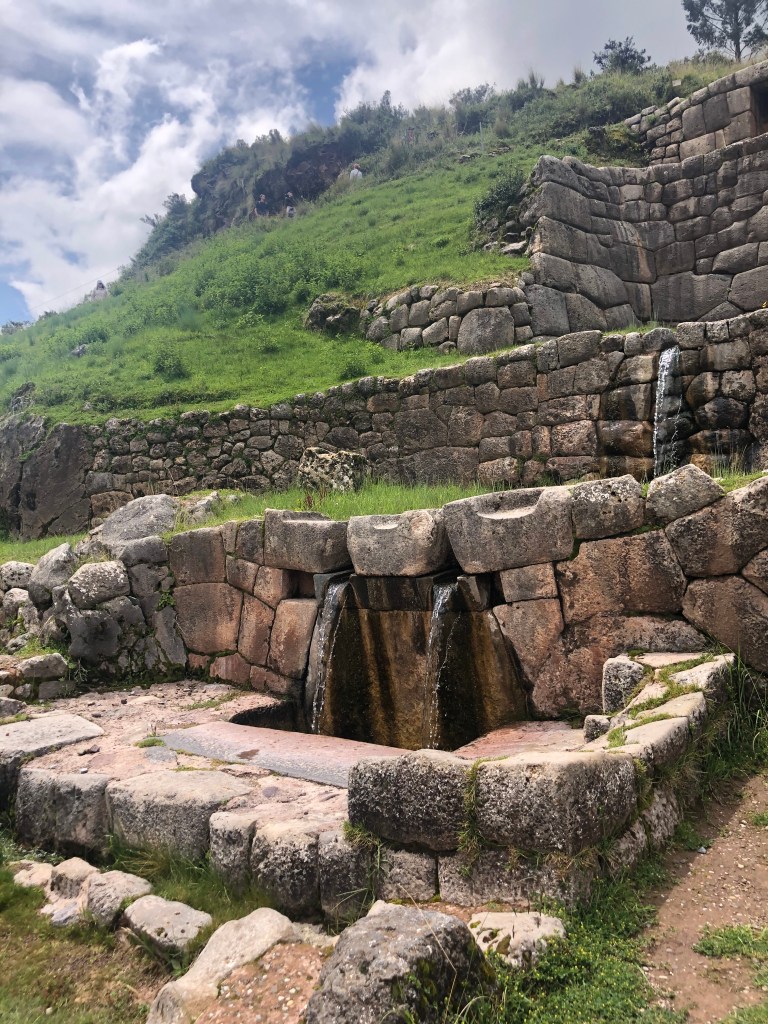
Tambomachay 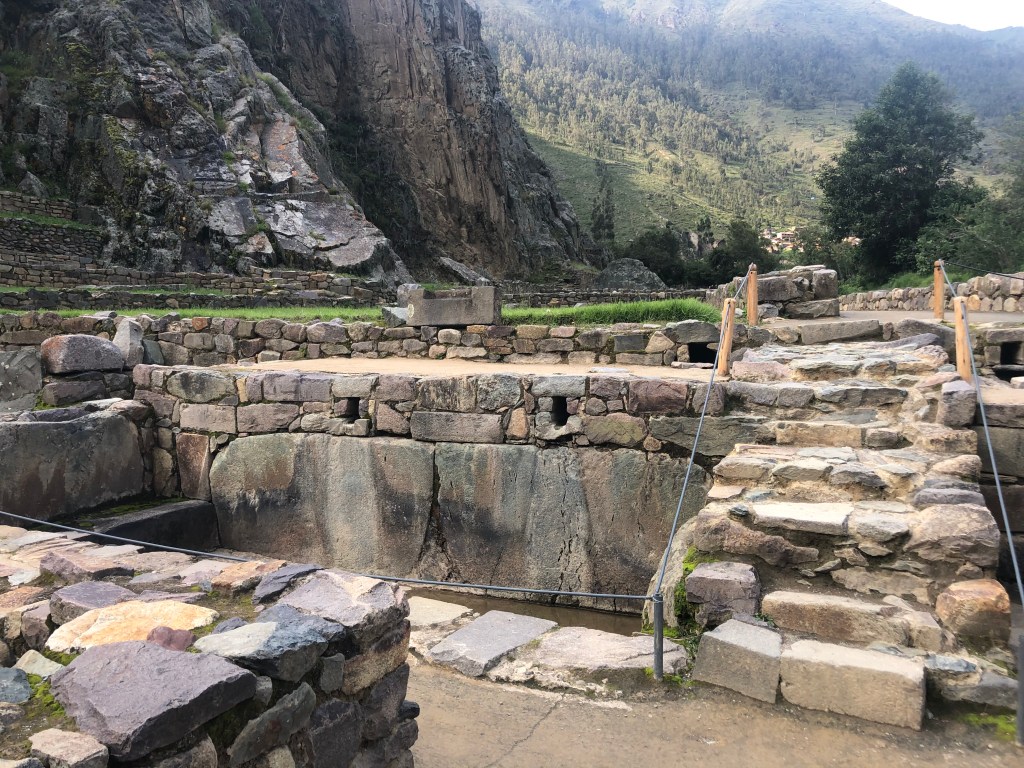
Incamisana at Ollantaytambo
An additional aspect of complementarity is demonstrated through fountains. The fountains of Tambomachay involve the splitting of a single pool into two fountainheads that subsequently drain into the same basin. This division and joining are termed p’allqa and tinku respectively.12 The concept of tinku extends to numerous areas and here references the meeting of two sources of water. Incans believed this was the most important way to experience the power of water.11 All sources of water were thought to originate from and return to the ocean. Thus, Tambomachay and other sites separate the water into multiple streams and bring it back together to mimic this. Many fountains across the Incan empire have multiple fountainheads that drain into the same channel. There are also several huacas located at the intersection of two streams or rivers.
Modern Use and Influence of Water
Remnants of Tawantinsuyu and the Incans permeate modern Peru. The contemporary cultural and practical uses of water are not exempt from this lingering influence. Fountains sit in the center of almost every major square and adorn the yards of numerous museums and public buildings. Politicians use water droplets as mascots and the occasional mural celebrating water is painted across walls lining the roads. The modernization of Peru has led to the adoption of numerous Western practices related to water, but the nation has modified these practices to fit within their unique cultural and environmental climates. Modern Peru demonstrates the cultural evolution of indigenous people. Travelers can follow the evolution of hydraulic systems alongside culture to gain a deeper understanding of Peru today.
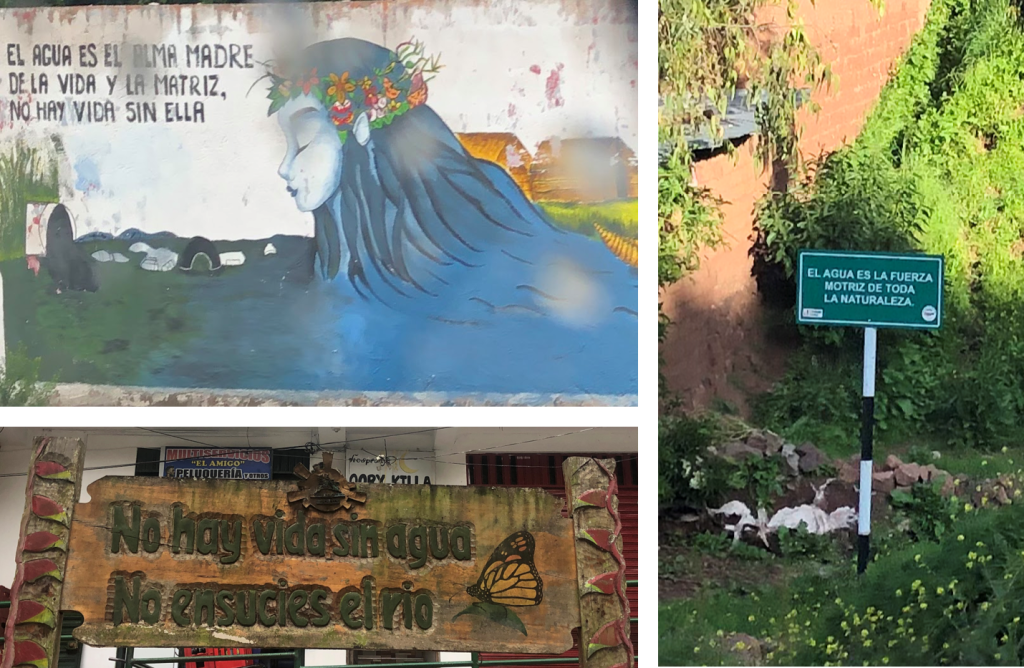
Bottom Left: Sign in Aguas Calientes – “There is no life without water. Don’t pollute the river.”
Right: Sign on the outskirts of Cusco – “Water is the driving force of all nature.”
The Peruvian government and its constituents have an invested interest in water. Approximately 50% of electricity in Peru is generated via hydroelectric power plants.13 This ratio is significantly higher than the 16% of worldwide power generated through the same methods.14 One of the most significant hydroelectric plants in Peru is located in the Sacred Valley near Machu Picchu. This plant, capable of producing 98 MW of electricity, is a source of pride for many people in the region.15 Hydroelectric power is also highly contested by other groups due to its potential harm to the Urubamba River and the microclimates of the Vilcanota river valley.16 This debate is only one of the many ways that Peruvian relationships with water are changing.
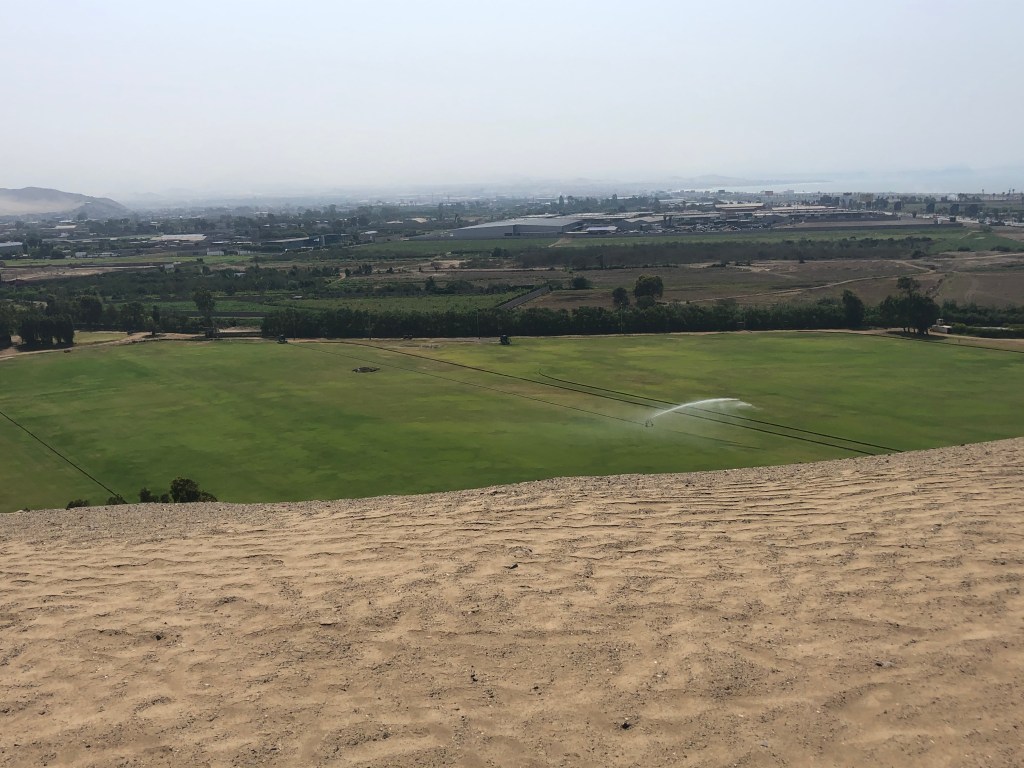
Lima 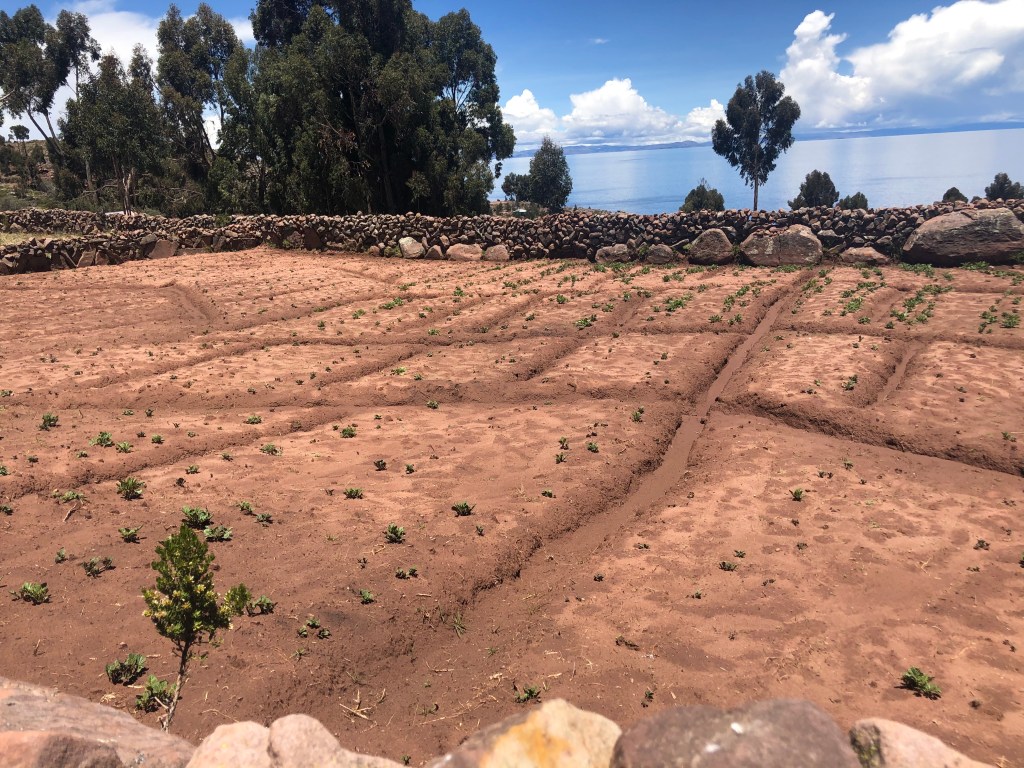
Taquile Island
Like most developed countries, Peru continues to use irrigation systems for agricultural and landscaping purposes. Commercial farms have generally transferred to Western forms of irrigation with pumps and hoses. Smaller farms, however, often continue to use older ditch-based methods to provide water to crops. The Lima area in particular directs significant amounts of water from the mountain rivers to enhance the transformation of the environment from desert to lush, green areas. Fog condensation along the coast enables the survival of some flora, but significant irrigation is necessary for the greenery many tourists have come to expect from Peru.
Due to the importance of water in daily life and commercial or tourist endeavors, the Peruvian government puts an emphasis on keeping water resources clean. This is particularly important due to the inability of water treatment plants to handle large, non-biological waste. The common “no littering” signs seen along the roads of most nations are predictably present in Peru. However, the government has also installed signs that discuss the power and importance of water as a resource. Multiple laws enable water source protection have been passed to secure water for Lima and other Peruvian cities as well.17 These measures are intended to ensure water remains accessible to future generations.
Final Thoughts
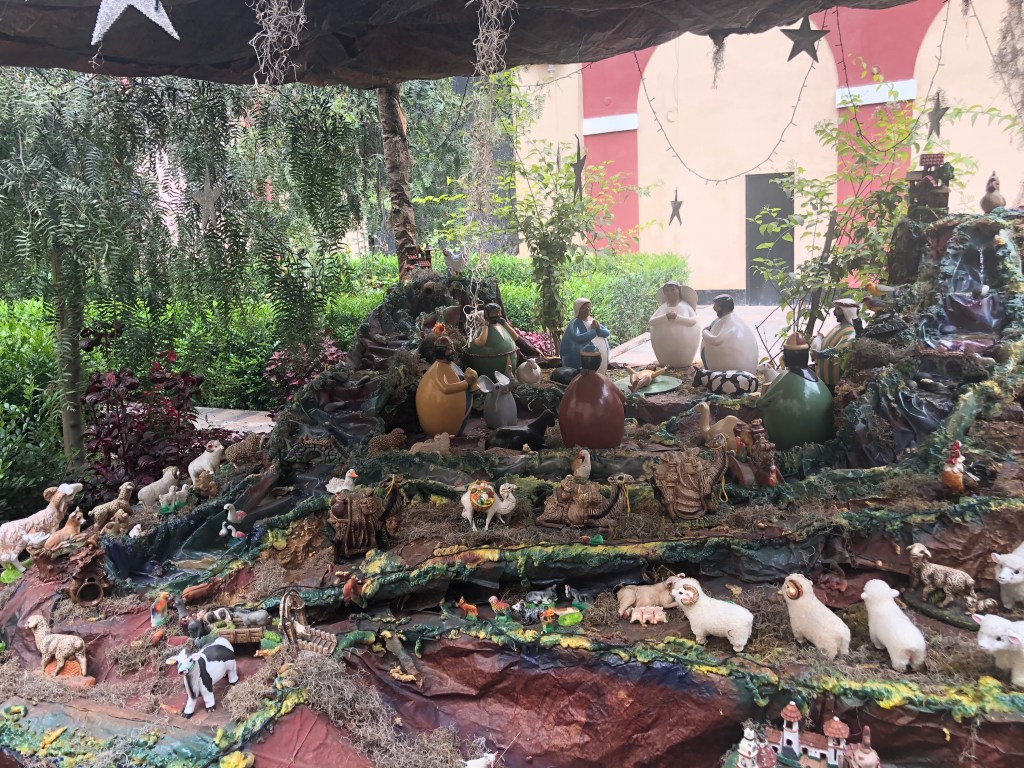
On my first day in Peru, I came across an intricate nativity scene nestled inside a small courtyard of the San Francisco Convent. A woman working in the church quietly turned on the tiny fountains as our group milled around; the unexpected babbling of tiny streams drew me closer to the display. Water from two separate sources trickled down in terraced rivers around the nativity scene, joining together at the base of the display and encircling the Holy Family. There, the concepts of tinku and camay came to life long before I reached Tambomachay.
This nativity format was mirrored in the churches of Chinchero and Cusco. It proved to me that the Incan concepts of water extend far beyond their original empire. Water is intertwined in the past and present cultures of Peru, fluidly adapting to each new era without truly changing course. To fully understand Peru and its indigenous cultures, travelers must look beyond the monumental terraces and adorable alpacas to their source of life — water.
References
- Gose, P. (1993). Segmentary State Formation and the Ritual Control of Water Under the Incas. Comparative Studies in Society and History, 35(3), 480-514. Retrieved from jstor.org/stable/179143
- D’Altroy, T. N. (2015). In A. Kolata & D. Snow (Eds.), The Incas (2nd ed.). Retrieved from https://0-ebookcentral-proquest-com.library.uark.edu/lib/uark-ebooks/reader.action?docID=1662757#
- Fairley, Jr., J. P. (2003). Geologic Water Storage in Precolumbian Peru. Latin American Antiquity, 14(2), 193-206. Retrieved from jstor.org/stable/3557594
- Bray, T. L. (2013). Water, Ritual, and Power in the Inca Empire. Latin American Antiquity, 24(2), 164-190. Retrieved from jstor.org/stable/43746217
- Wright, K. R. Tipon: Water Engineering Masterpiece of the Inca Empire. Retrieved from ascelibrary.org
- Monteverde Sotil, L. R. (2007). Los Ushnus y el Culto a Dioses con Atributos Sobre el Agua en Beneficio de la Producción Agrícola dentro de la Administración Estatal Inca. Revista de Arqueología Americana, (25), 247-276. Retrieved from https://www.jstor.org/journal/reviarquamer
- Mason, J. A. (1952). Peruvian Panorama. Archaeology, 5(4), 220-227. Retrieved from jstor.org/stable/41663087
- Cobo, P. B. (1580-1657). Historia del Nuevo Mundo. [University of Wisconsin – Madison Tome IV] Retrieved from babel.hathitrust.org
- Price, B. J. (1971). Prehispanic Irrigation Agriculture in Nuclear America. Latin American Research Review, 6(3), 3-60. Retrieved from jstor.org/stable/2502269
- Gullbert, S. R., & Malville, J. M. (2017). The Marriage of Astronomy and Culture: Theory and Method in the Study of Cultural Astronomy. Culture and Cosmos, 21(1), Retrieved from http://www.cultureandcosmos.org
- Wright, K. R., Gibaja Oviedo, A. M., McEwan, G. F., Miksad, R. W., & Wright, R. M. (2017). Inca Water Worship and Religion. In Incamisana: Engineering an Inca Water Temple. Retrieved from ascelibrary.org
- Smith, J. (2013). The Water Temple of Inca-Caranqui. Archaeology, 66(1), 45-49. Retrieved from jstor.org/stable/41804625
- Country Profiles: Peru. (2018, June). Retrieved from International Hydropower Association website: https://www.hydropower.org/country-profiles/peru
- Nunez, C. (2019, May 14). Hydropower, explained. National Geographic, Retrieved from nationalgeographic.com
- Machu Picchu Hydroelectric Power Plant. (n.d.). Retrieved from Granay Montero website: https://www.gym.com.pe/en/our-projects/project/project-central-hidroelectrica-machu-picchu
- Morla, R. (2015, May 14). Hydroelectric Mega-Project Threatens Machu Picchu. Panam Post. Retrieved from panampost.com
- Lima Water Fund. (n.d.). Retrieved from The Nature Conservancy website: https://www.nature.org/en-us/about-us/where-we-work/latin-america/peru/aquafondo-the-water-fund-for-lima/
 Indigenous Ways in Peru: Postcards from Students